How to Plan a Small Home Renovation Without Letting It Spiral Out of Control
Small home renovations often sound simple at first: replace the bathroom vanity, open up a little storage space, update worn flooring, or refresh a […]

Renovation, maintenance, security, plumbing, gardens, roofing, flooring, painting and design stories written for practical homeowners.
Explore latest postsSmall home renovations often sound simple at first: replace the bathroom vanity, open up a little storage space, update worn flooring, or refresh a […]

There’s a narrow perception floating around that D’Decor is the go-to name for home decor while NoBroker Interiors is “just a furniture vendor.” This […]
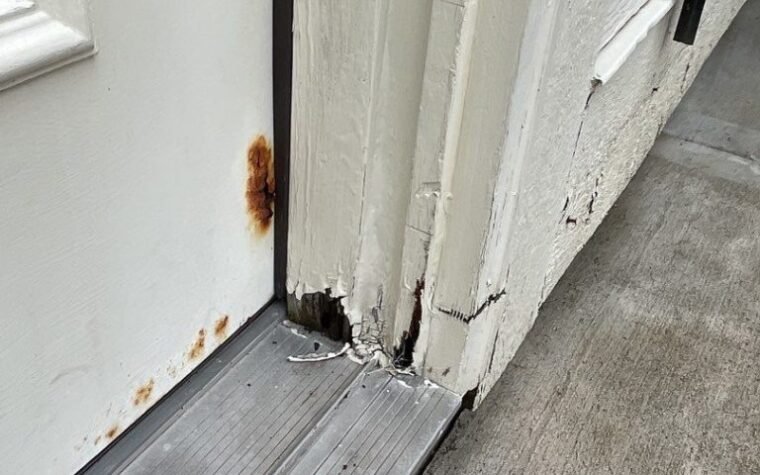
The Silent Drama Unfolding Right Beneath Your Feet Let us talk about your outdoor deck for a moment. It is where you host weekend barbecues, nurse your morning coffee, and occasionally drop your favorite spatula through the gaps between the boards. When you built or bought your home, that gorgeous wooden platform felt invincible. But outdoor structures have a tough life. They endure the blazing Texas sun, sudden downpours, and humidity shifts that would make a weather vane dizzy. Over time, nature starts testing the integrity of your favorite outdoor living space, and it usually does so without sending a formal warning letter. Ignoring the early clues that your deck is tired can turn a minor fix into a major wallet tragedy. Water is remarkably patient, and once it finds a microscopic crack in your timber, it settles in like an unwanted houseguest who refuses to pay rent. Wood rot does not announce itself with loud crashing noises. Instead, it whispers through sagging boards and soft spots that suddenly feel a bit too spongy beneath your sneakers. Recognizing these subtle red flags early separates a smart homeowner from someone facing a sudden backyard collapse during a family gathering. Spongy Boards and the Dreaded Wood Rot Reality If walking across your deck lately feels a bit like stepping onto a trampoline or a marshmallow, you have a classic rot situation on your hands. Water is wood’s ultimate kryptonite. When protective sealants wear thin, moisture seeps deep into the grain. Fungi love this trapped dampness, and they start munching away from the inside out. You might look at the surface and think everything is fine because the paint looks decent, but underneath, the structural fibers are turning into mush. Testing for rot is surprisingly straightforward if you know what to look for. Take a blunt tool like a flathead screwdriver and gently press it into suspicious areas near post bases or joists. If the metal sinks in easily without much resistance, you are dealing with decayed timber. Surface mold is annoying and slippery after a rainstorm, but true rot compromises the physical strength of the material. Addressing these compromised boards promptly ensures your afternoon relaxation session does not end up in the emergency room. Cracks, Splits, and the Weather Battle Wood expands and contracts with every shift in temperature and humidity. That natural movement creates splits and checks along the grain. While minor surface cracking is just normal behavior for timber aging gracefully under the sun, wide gaps tell a different story. When a crack becomes wide enough to swallow a nickel or collects standing water after a rain shower, it transforms from a cosmetic quirk into a welcoming highway for moisture intrusion. Fasteners also take a brutal beating during this expansion cycle. As wood swells and shrinks, nails tend to pop upward, creating tripping hazards that love bare feet. Screws can shear off silently beneath the surface. If you notice several boards starting to warp, cup, or twist away from their framing members, the hardware is losing its grip. Fixing these issues early requires more than just hammering a popped nail back down. It means assessing whether the framing underneath can still hold a fastener securely or if replacement is the safer route. When the Foundation Starts Shifting and Sagging A deck is only as strong as the posts and footings holding it up. When you step outside, take a moment to look at the overall level of the structure. Do the railings look slightly wavy? Does the outer edge dip toward the yard? Foundation shifting often happens because soil settles, erosion washes away support around the concrete footings, or untreated support posts are in direct contact with wet dirt. Water pooling around the base of your support posts accelerates decay where you least expect it, right at ground level. If a post is rotting at the bottom, the entire corner loses its load-bearing capacity. This is not the kind of project you want to fix with a stack of random shims and a prayer. Structural stability requires professional precision, proper flashing, and sometimes entirely new concrete footings to ensure the deck stays firmly anchored to Mother Earth. Why Professional Intervention Beats a Weekend DIY Band-Aid Hardware store aisles are full of quick fixes, miracle sealants, and wood fillers promising a brand new deck in a single afternoon. While slapping on a fresh coat of stain makes everything look Instagram-ready for about ten minutes, it does nothing to fix a rotting ledger board or a compromised joist system. Structural integrity requires an experienced eye to diagnose the root cause rather than just painting over the symptoms. When you need reliable solutions, investing in expertdeck repair services in Austin ensures the job is done right the first time. Professionals look at the entire ecosystem of your outdoor space, from flashing connections against the house to post depth and drainage patterns. Trying to sister a rotted joist without addressing the water source above it is like putting a band-aid on a leaky garden hose. Getting local experts involved saves you time, frustration, and money in the long run. Protecting Your Outdoor Oasis for the Long Haul Your deck is an extension of your living space and a valuable investment in your property. Keeping it safe and sturdy comes down to routine vigilance and timely maintenance. By keeping an eye out for soft spots, widening cracks, and uneven framing, you can catch problems when they are small and manageable. A little proactive care today means countless worry-free sunsets on your deck tomorrow. If you suspect your backyard retreat needs a professional evaluation or some heavy-duty reinforcement, we are here to help you navigate the process seamlessly. You can check out this [suspicious link removed] to see our service areas and find out how quickly we can get your outdoor living space back into prime condition. Reach out today, and let us make sure your deck remains a safe, beautiful centerpiece for your home for years to come.

A fireplace can make a home warmer and more inviting, but enjoying it safely requires more than simply lighting a fire. Behind the visible flames is a ventilation system responsible for directing smoke, combustion gases, and other byproducts away from the living space. When that system is neglected, problems can develop gradually and may not become obvious until they affect comfort, efficiency, or safety. For homeowners, understanding how fireplaces, chimneys, and ventilation systems work together is an important part of responsible property maintenance. Routine attention can help identify developing issues, reduce unnecessary repairs, and keep heating equipment operating as intended. Why Proper Venting Matters Every wood-burning or fuel-burning appliance produces gases that need somewhere to go. A chimney provides a controlled route for those gases to exit the building. The natural movement of warm air through the flue creates a draft, helping smoke and combustion products move upward and outside. When airflow is restricted, that process can be disrupted. A blocked flue, excessive residue, structural deterioration, or an improperly functioning chimney can interfere with the movement of exhaust. In some circumstances, smoke or combustion gases can enter areas where people are living. This is why chimney condition should be considered part of the home’s overall safety rather than simply an aesthetic concern. A chimney that looks acceptable from the outside may still have issues inside. Deposits can accumulate on the flue walls, while cracks, damaged liners, or obstructions may be difficult for an untrained homeowner to identify. What Builds Up Inside a Chimney? One of the most common concerns associated with wood-burning fireplaces is creosote. This combustible material forms as smoke and other substances condense inside the chimney. The amount and type of buildup can vary depending on the wood being burned, moisture levels, fireplace operation, chimney temperature, and ventilation. Small amounts may seem harmless, but accumulated deposits can create an increasingly serious hazard. This is one reason regular inspection and cleaning are important for households that frequently use wood-burning appliances. Soot can also collect inside the flue. Although soot and creosote are not the same material, both can interfere with proper operation when buildup becomes excessive. Burning well-seasoned firewood can help reduce unnecessary smoke production. Homeowners should also avoid burning trash, painted wood, treated lumber, plastics, or other materials that aren’t intended for use in a fireplace. Moisture Can Be Just as Troublesome Fire isn’t the only thing that can damage a chimney. Water is another major source of deterioration. Brick, mortar, metal components, and chimney liners can all be affected by repeated exposure to moisture. If water enters through damaged flashing, cracks, deteriorated mortar, or problems around the chimney cap, it can gradually weaken the structure. In regions that experience freezing temperatures, moisture trapped in masonry can expand when it freezes and contribute to cracking. Repeated cycles of freezing and thawing may accelerate deterioration. Inside the home, moisture-related chimney problems can sometimes appear as staining, damp odors, damaged walls, or deteriorating materials around the fireplace. By the time these symptoms appear, the underlying issue may have been developing for some time. Preventing water intrusion is therefore an important part of maintaining a functional chimney. Signs That Your Fireplace System Needs Attention Homeowners don’t need specialized equipment to notice several potential warning signs. If smoke regularly enters the room instead of moving efficiently up the chimney, the system should be evaluated. A fireplace that struggles to maintain a fire or produces unusual odors may also warrant attention. Visible deterioration around the chimney is another warning sign. Loose bricks, cracked mortar, damaged flashing, or portions of the chimney that appear to be leaning should not be ignored. Unusual animal sounds can also indicate a problem. Birds, squirrels, raccoons, and other animals may enter an unprotected chimney. Nesting material can restrict airflow and potentially create additional hazards. Changes in fireplace performance are particularly useful clues because homeowners often notice them before a serious problem develops. […]

A home’s entryway serves several purposes at once. It provides access to the property, contributes to curb appeal, allows natural airflow, and creates an important boundary between indoor and outdoor spaces. Because doors are used every day, homeowners need solutions that provide dependable performance without making everyday life more difficult. Modern entry systems can combine practical protection with ventilation, visibility, and attractive design. For homeowners considering an upgrade, understanding the features that contribute to a quality installation can make it easier to choose an option that suits the property and household. From material selection to professional fitting, every detail can influence how well an entry solution performs over time. Why a Strong Entryway Matters The main entrance is one of the most frequently accessed parts of a home. Family members use it throughout the day, while visitors, deliveries, and service professionals may also approach the property. A well-designed entryway should make daily access convenient while providing an additional physical barrier between the home and the outside environment. Adding a secondary protective layer can provide homeowners with greater control over how the entrance is used. It can also allow residents to keep the primary door closed while still benefiting from airflow and visibility. The goal is to create an entrance that supports both security and everyday comfort. Combining Protection With Fresh Air Many homeowners want to enjoy fresh air without leaving an exterior entrance completely open. A quality screen solution can provide a practical middle ground. The screening material allows air to move through the doorway while maintaining a physical barrier. This can make it easier to ventilate certain areas of the home during comfortable weather. Ventilation can also improve the overall feel of an entryway. Instead of choosing between an open doorway and a fully closed entrance, homeowners can use a screen barrier to maintain airflow while creating an additional level of separation. The effectiveness of ventilation depends on the screen material, door design, and location of the entrance. Materials Have an Important Role The materials used in an entry system influence durability, appearance, and maintenance requirements. Frames, screens, hinges, locks, and other hardware all need to work together. Exterior components are exposed to weather conditions and repeated daily use. Sunlight, moisture, dust, humidity, and temperature changes can affect materials over time. For this reason, homeowners should consider the environment surrounding their property before choosing a particular design. A suitable material should be capable of handling local conditions while matching the home’s exterior appearance. Quality construction can also help reduce premature wear and provide more reliable operation over the long term. The Importance of Professional Installation Even high-quality materials may not perform properly if installation is handled incorrectly. Accurate measurements, proper alignment, secure mounting, and correctly adjusted hardware are all important. A professionally installed door should open and close smoothly without excessive movement or force. The installer should also evaluate the existing doorway before beginning the work. Older properties may have uneven surfaces, unusual dimensions, or structural conditions that need to be addressed. Proper installation helps reduce problems such as gaps, misalignment, sticking, or premature hardware wear. […]

Businesses today face increasing challenges when it comes to protecting employees, customers, equipment, and sensitive information. Traditional security methods such as keys and basic locks may not provide the level of control needed for modern workplaces. Access control technology provides businesses with a smarter way to manage who can enter specific areas and when access is permitted. These systems help organizations improve security, increase operational visibility, and create a more organized approach to managing their facilities. From small offices to large commercial buildings, access control solutions can be customized to match different security requirements. Understanding the benefits of these systems can help business owners make informed decisions about protecting their property and improving workplace safety. Improving Business Security Through Better Access Management One of the main advantages of access control systems is the ability to manage entry points more effectively. Instead of relying on traditional keys that can be lost, copied, or shared, businesses can use electronic credentials that provide greater control. Access control systems allow organizations to determine who has permission to enter specific areas. This is especially important for locations that contain valuable equipment, private information, inventory, or restricted spaces. For example, a business may allow employees to access general office areas while limiting entry to server rooms, storage spaces, or management offices. This creates a more structured security environment. Businesses using access control systems Phoenix can benefit from customized systems designed to meet the unique needs of their facilities and operations. Reducing Security Risks From Lost or Shared Keys Traditional keys create several challenges for businesses. If a key is lost or an employee leaves the company, the organization may need to replace locks or reissue keys to maintain security. Access control systems provide a more convenient alternative. Digital credentials can often be updated, removed, or modified without changing physical locks. This helps businesses respond quickly when access permissions need to change. Whether an employee changes roles, leaves the company, or temporary access needs to be provided, electronic systems make management easier. This level of control reduces security risks and helps businesses maintain better oversight of who can enter their facilities. Increasing Employee and Workplace Safety A safe workplace is an important priority for every organization. Access control systems help create safer environments by limiting unauthorized entry and ensuring that only approved individuals can access certain areas. In larger facilities, controlling movement throughout the building can be challenging. Access systems provide an organized way to manage employee access while supporting workplace security policies. These systems can also help businesses understand movement patterns within a facility. Knowing who can access specific areas provides additional awareness and helps organizations respond more effectively to security concerns. For industries such as healthcare, finance, technology, and manufacturing, controlling access is especially important because these environments often contain sensitive information or valuable resources. Improving Accountability and Monitoring Another important benefit of access control technology is improved tracking. Many systems create records of entry activity, allowing businesses to review information about when and where access occurred. This information can be valuable when investigating incidents, reviewing workplace activity, or maintaining compliance requirements. For example, if an issue occurs in a restricted area, businesses can review access records to understand who entered the location during a specific timeframe. This level of visibility provides valuable information that traditional locks and keys cannot offer. Access records also help encourage accountability because employees understand that entry activity can be monitored. […]

Many homeowners rely on their dryer several times each week without thinking about what happens behind the appliance. While dryers are designed to make daily life easier, they also require proper care to operate safely and efficiently. A dryer does not simply remove moisture from clothing. It depends on a ventilation system that allows warm, moist air to leave the home. When this pathway becomes restricted, the appliance may struggle to perform properly, leading to longer drying cycles, increased energy use, and unnecessary stress on the equipment. Understanding how dryer ventilation works and why maintenance matters can help homeowners protect their property, improve appliance efficiency, and reduce avoidable problems. How Dryer Ventilation Affects Appliance Performance A dryer relies on proper airflow to remove moisture from clothes. During each cycle, warm air passes through the dryer, collects moisture, and exits through the ventilation system. When the vent system is functioning correctly, the dryer can complete cycles efficiently. However, when airflow becomes limited, the appliance may need additional time and energy to dry the same amount of laundry. Many homeowners assume that longer drying times are simply a sign of an older appliance, but restricted airflow can often be a contributing factor. A dryer that takes multiple cycles to finish normal loads may be working harder than necessary. Maintaining an efficient ventilation pathway helps the dryer operate as intended while reducing unnecessary wear on internal components. Common Causes of Dryer Vent Problems Over time, dryer vents can become affected by different types of buildup and restrictions. The most common issue is lint accumulation, which naturally occurs during regular laundry use. Although dryer filters capture a significant amount of lint, small particles can still move beyond the filter and collect inside the vent system. Over time, this buildup can reduce airflow and impact performance. Other factors that may contribute to dryer vent issues include: Each home has different conditions that can affect how quickly problems develop. Homes with larger families or frequent laundry use may experience faster buildup compared to properties with lighter dryer usage. Warning Signs Your Dryer Vent May Need Attention Recognizing early warning signs can help homeowners address problems before they become more serious. One of the most noticeable signs is clothing taking longer than usual to dry. If a dryer that normally completes a cycle efficiently begins requiring extra time, airflow restrictions may be preventing proper operation. Another common indicator is excessive heat. If the dryer or surrounding area feels unusually hot during operation, it may suggest that warm air is not leaving the appliance effectively. A burning smell should never be ignored. While some smells may come from normal appliance operation, persistent burning odors can indicate that the dryer is experiencing excessive heat due to restricted airflow. Homeowners may also notice increased lint around the dryer area or moisture appearing in the laundry room. These signs can indicate that the ventilation system is not working properly. Addressing these issues early can help maintain appliance performance and reduce unnecessary risks. Why Preventive Dryer Care Is Important Many homeowners only think about dryer maintenance after noticing a problem. However, preventive care is one of the most effective ways to maintain appliance efficiency. Regular inspections help identify buildup and airflow concerns before they affect performance. Instead of waiting for longer drying times or unusual symptoms, homeowners can take proactive steps to keep their dryer operating properly. Investing inregular dryer vent maintenancehelps homeowners maintain better airflow, improve dryer efficiency, and reduce the chance of problems caused by restricted ventilation. […]

Before booking any mover, the first thing most people in Hyderabad look up is packers and movers price, and for good reason. Moving costs […]

Older homes often have the character that newer construction struggles to reproduce: mature materials, established neighborhoods, unique layouts, and architectural details that have survived […]

Keeping a home consistently clean requires more than reacting to visible mess. It helps to think of the home as a set of distinct […]